Decay
Rust, mold, storm damage and abandoned structures become the visible record of a community losing its fight with the sea.
What do you save when the place you love can't be saved?
In a near-future Key West battered by rising water and relentless storms, Mari is growing up in a place the rest of the country has begun to abandon.
A story about home, memory, love, loss—and the generation asked to live with choices it did not make.
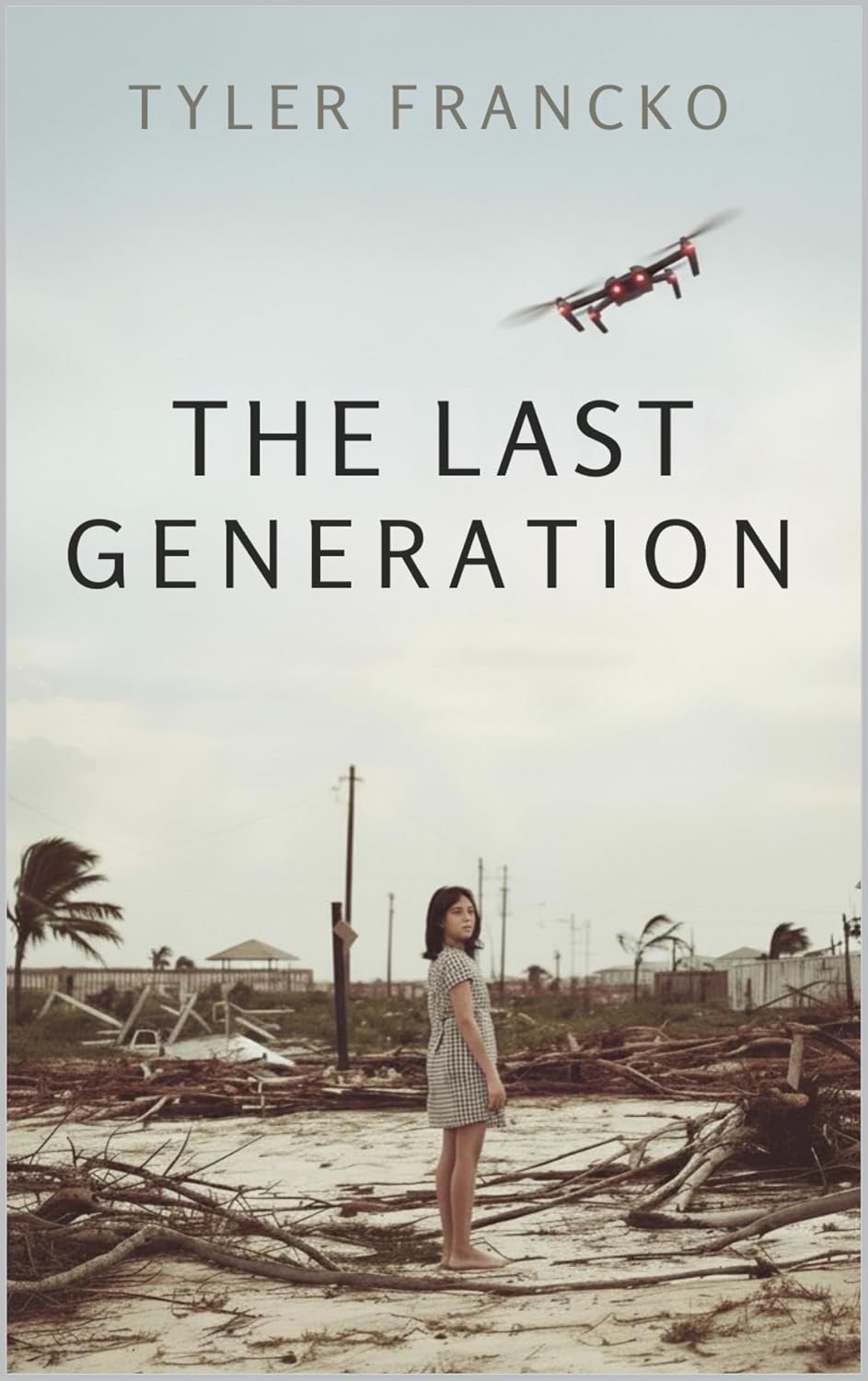
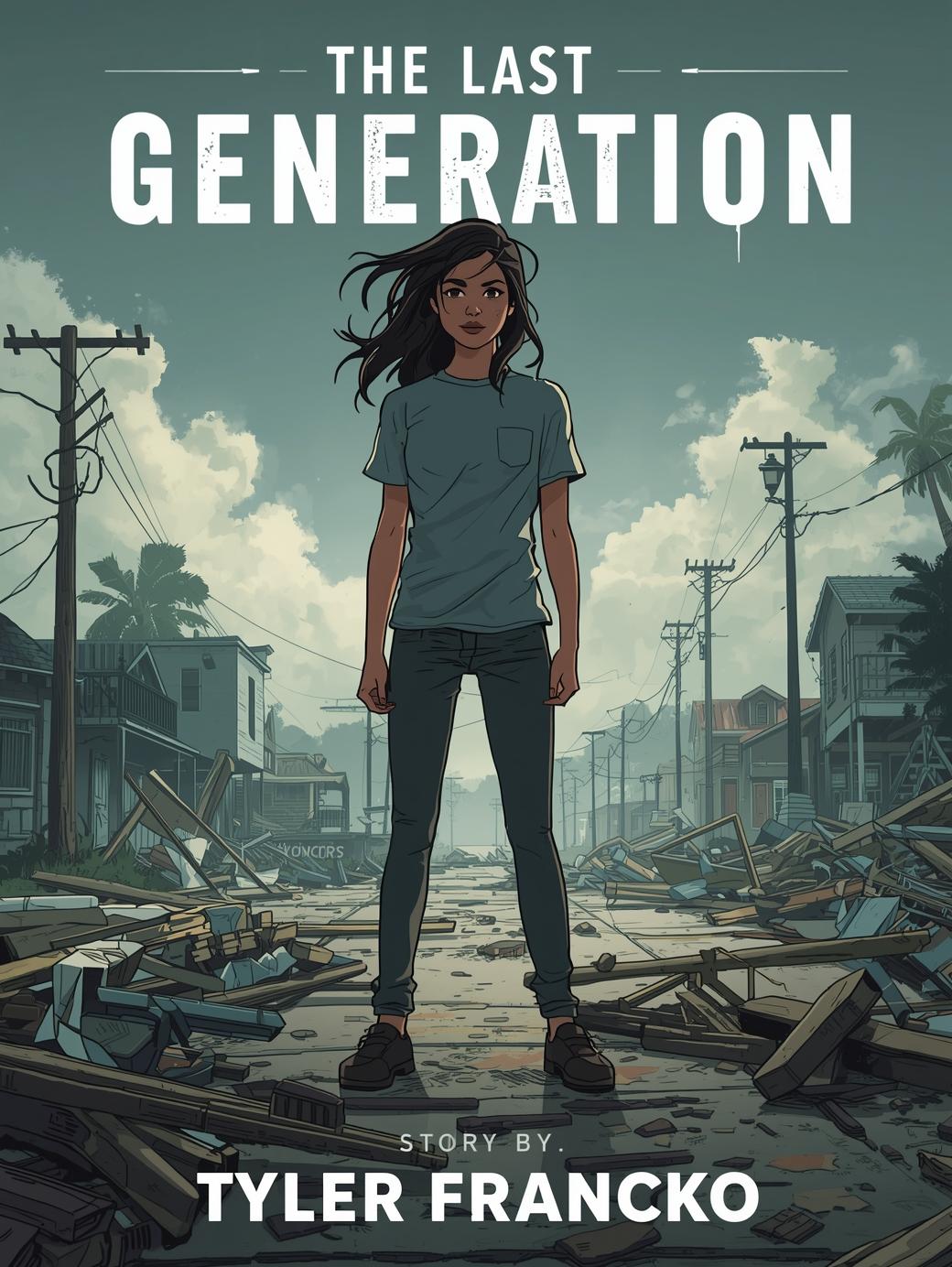
First the storms get stronger. Then the water stays longer. Then people stop coming back.
For Mari, Key West isn't an abstract climate projection. It's home. The streets, houses, palms, heat, salt and water are the geography of her life—even as that geography begins to vanish around her.
Against that changing landscape, relationships and memories become their own form of resistance: proof that a place can matter even when its future is uncertain.
Nature is not scenery here. It is pressure.
The Key West of The Last Generation remains recognizable and beautiful, but beauty and decay occupy the same streets. Tropical color fades beneath storm stains. Salt attacks metal. Water reaches places it never used to reach. Every rebuilding feels more temporary than the last.
Rust, mold, storm damage and abandoned structures become the visible record of a community losing its fight with the sea.
Flooding is no longer an exceptional event. The ocean is steadily redrawing the boundary between land and sea.
Hurricanes are the violent edge of a larger change. Nature keeps returning, each time with less room for negotiation.
There comes a point when rebuilding is no longer the plan.
Managed Retreat turns climate change from a forecast into a decision: which places will still be defended, which communities will be relocated, and what happens to the people whose home has effectively been declared unsustainable.
For Mari's generation, retreat isn't theoretical. It determines what kind of future they are allowed to imagine.
Photographs, stories, records and memories become a way of refusing to let a disappearing community be reduced to a line on a climate map.
Saving a place and remembering a place are not the same thing—but both matter.
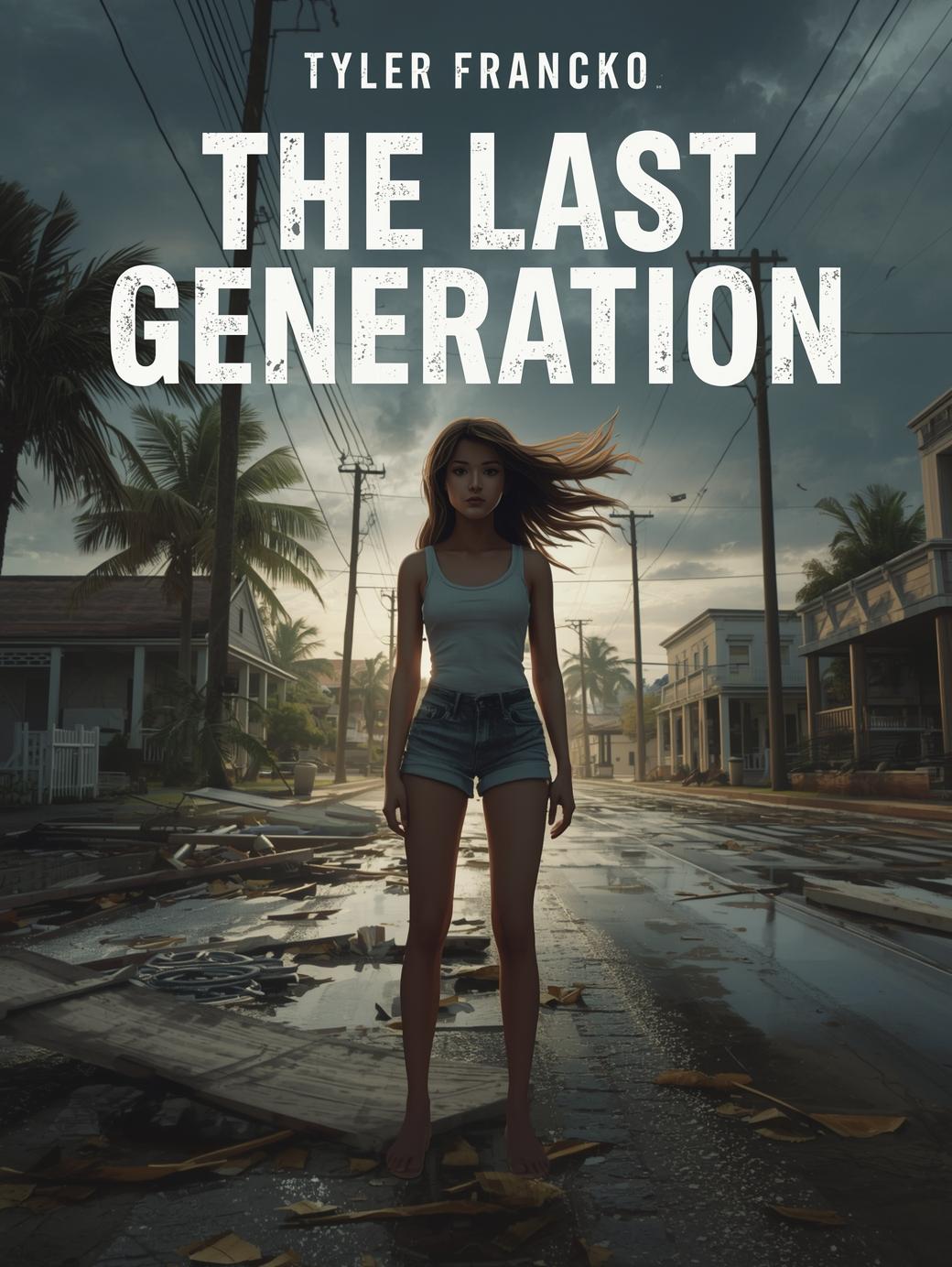
She isn't trying to save the world. She's trying to understand what it means to lose hers.
Mari keeps the story grounded in the intimate consequences of environmental collapse: family, friendship, first love, grief, memory and the impossible question of when holding on becomes letting go.
Her relationship with Leo gives the story another kind of future to consider—one measured not in coastlines or projections, but in the people who make a place worth remembering.
Palms and power lines. Old neighborhoods and debris. Tropical light beneath violent skies. The familiar and the ruined exist side by side.
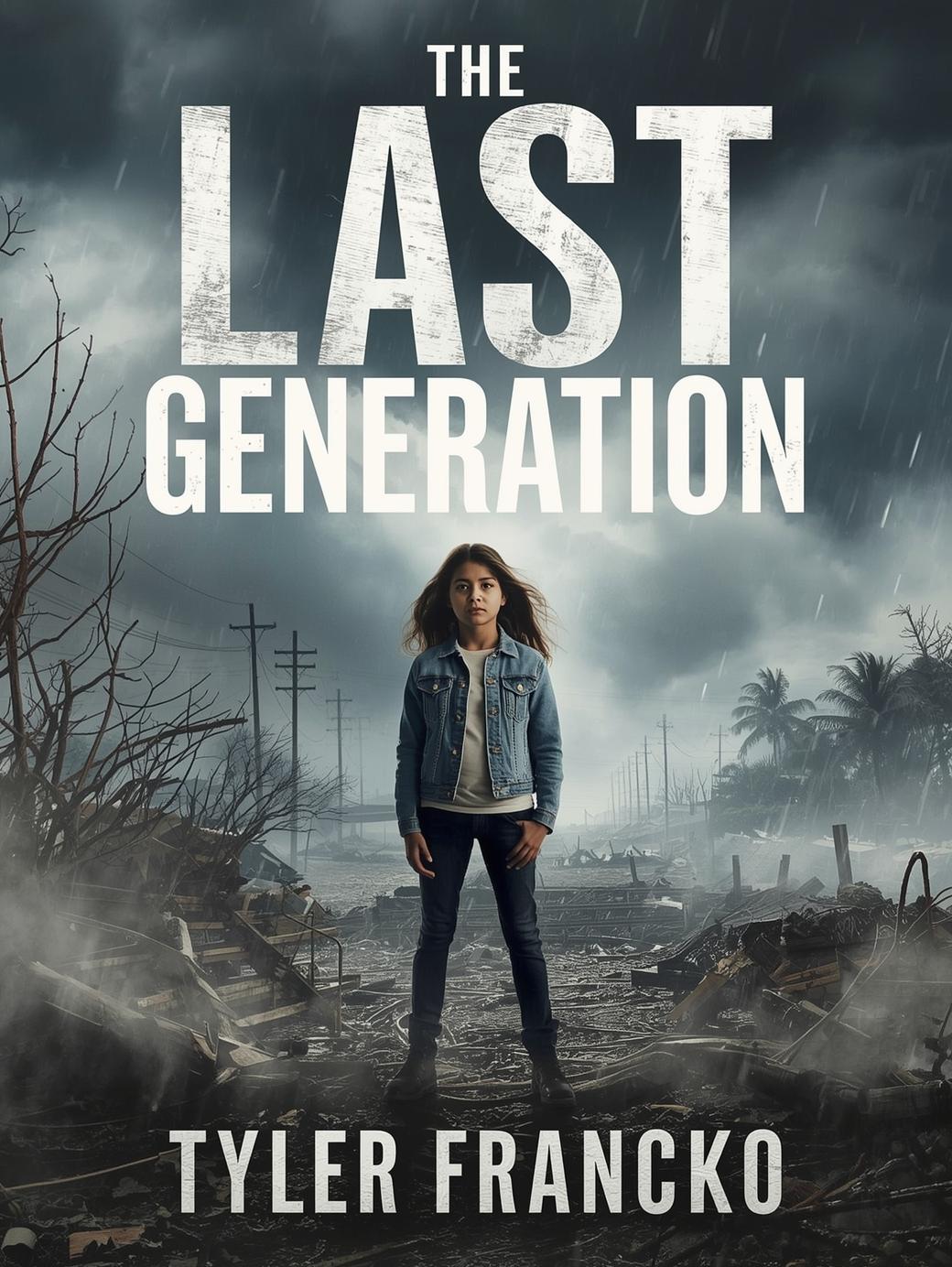
The Last Generation is a climate-fiction story about Key West, decay, displacement, young love, and the things people choose to preserve when the water keeps rising.